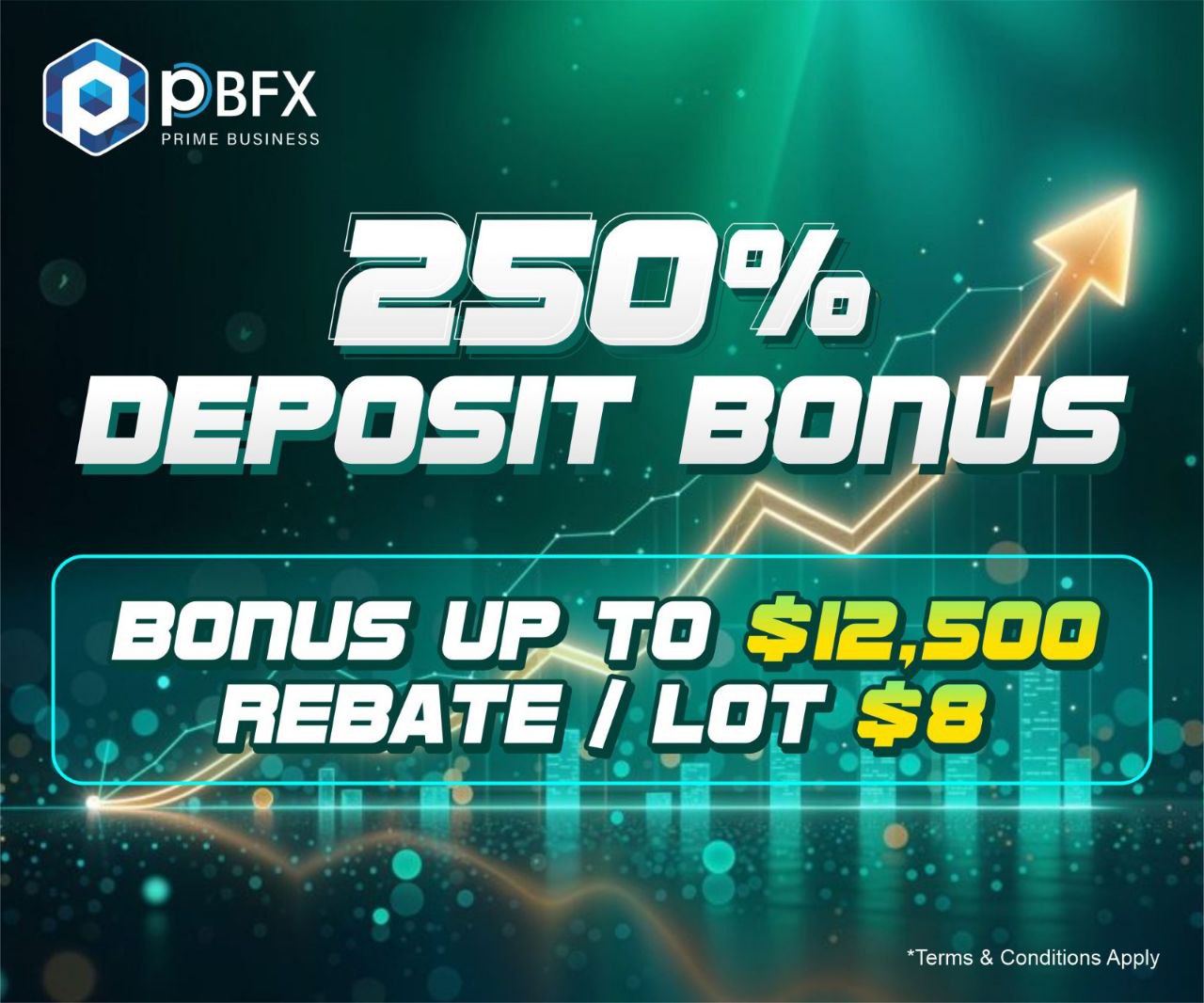


Generate Passive Income Through Forex Rebates
If you trade FX (or are considering it), you may be able to earn additional cashback-style income via forex rebates. This guide explains how rebates typically work, what to look for in a reputable rebate setup, and how to approach rebate programs responsibly.
Quick Summary
- What it is: Forex rebates (often called cashback) can return part of the spread or commission you pay when you trade.
- How you earn: Usually through signing up with a rebate partner and trading via the linked broker setup.
- What affects your rebate: Broker pricing, your trading volume, and the rebate terms (percentage/rate, payment schedule, eligibility).
- Key risk: Rebates do not eliminate trading risk, and rebate terms may include conditions, caps, or exclusions—always verify on the official website.
- Best practice: Choose a regulated broker, confirm the rebate provider and program details, and track your rebate credits.
Table of Contents
How Forex Rebates Work
Forex rebates are a way for traders to receive back a portion of the costs they pay to trade. Depending on the program, rebates may be calculated as a share of commission (common on “commission-based” accounts) and/or a portion of the spread (the difference between bid and ask prices).
Typical rebate flow (step-by-step)
- Step 1: Join a rebate setup (affiliate/partner program). Many rebate programs require you to register with a rebate partner that has an agreement with one or more brokers.
- Step 2: Open/route your trading account through the broker link. Your account is then associated with the rebate program so your trading generates rebate eligibility.
- Step 3: Trade normally. As you place trades, the broker receives commission and/or you pay spread costs.
- Step 4: Rebate credits are calculated. The program typically calculates rebate based on your trading activity and the specific program terms (for example, qualifying trading days, instrument eligibility, minimum volumes, or exclusions).
- Step 5: Rebates are paid out or credited. Rebates may be credited to your trading account and/or paid out on a schedule (weekly, monthly, or as defined by the program).
Important note: Not every forex broker supports rebates, and not every rebate program matches every broker account type. Always verify compatibility before committing funds.
Rebate amounts are not one-size-fits-all
How much you get back depends on factors like:
- Broker pricing model: spread-only vs. commission-based pricing can change how rebates are calculated.
- Rebate rate: rebate programs vary by broker and often by account type.
- Trading volume: many programs increase or define rebate eligibility based on activity levels.
- Program rules: payment schedules, holding periods, exclusions, and minimum thresholds can affect your final rebate.
About “fixed percentages”: Some older summaries online mention common ranges, but rebate terms change frequently. For current rates and eligibility, rely on the official rebate program pages and the broker/account documentation.
Benefits of Forex Rebates
For active FX traders, rebates can reduce effective trading costs and potentially improve net results. Below are common benefits, with the caveat that real outcomes depend on your broker, your activity, and your exact program terms.
1) Lower effective trading costs
When rebates are applied to commission and/or spread costs, they can function like a discount on each trade. This can help reduce “cost drag” and make it easier to manage profitability after fees.
2) Additional income alongside trading
Rebates are generally designed to provide incremental returns while you trade. However, they should be treated as supplemental rather than a replacement for strategy performance.
3) Potential consistency (if you trade consistently)
Because rebate calculations often follow monthly or periodic activity, traders who trade regularly may see more consistent rebate credits. If you trade rarely, rebates may be minimal.
4) Flexibility to improve net results
Any rebate that lowers net costs can provide more room for your trading plan—such as adjusting position sizing, testing new strategies, or refining entry/exit rules—without necessarily changing your broker.
5) Motivation to track performance and costs
Rebate programs can encourage traders to pay more attention to commission structures, spread quality, and execution costs. In practice, that tracking can improve decision-making around broker selection and execution quality.
Pro tip: verify all terms before you rely on the rebate
Rebate programs often differ in how rebates are calculated, what qualifies, and when payouts occur. Before you plan your trading budget around rebates, review the forex rebate terms and conditions (and any separate broker/account conditions) for the latest rules.
How to Use Forex Rebates Effectively
To use forex rebates effectively, focus on choosing the right setup and keeping tight records. Rebates can help trading economics, but the trading risk remains the same.
Step 1: Choose a reputable, regulated broker
Rebates are only valuable if your broker is reliable and transparent about execution, account funding, and withdrawal processes. Use official regulation details and confirm the broker’s status on the relevant regulator website.
Step 2: Compare rebate eligibility by account type
Some programs apply to specific account types or instrument categories. Before opening an account, confirm:
- Does your account type qualify for the rebate?
- Which instruments qualify (major FX only, CFDs, indices, etc.)?
- Are there exclusions (news periods, certain trading venues, specific order types)?
Step 3: Understand payout timing and how rebates are credited
Rebates may be credited to your account and/or paid out to another payment method. Differences can affect how quickly you can access funds and whether they can be used to meet margin requirements.
Step 4: Track your costs and rebate credits separately
Don’t assume rebates will be automatically applied correctly. Keep your own record of:
- Trade dates and volumes
- Commission/spread costs
- Rebate credits received (and whether there were adjustments)
Step 5: Manage expectations and trade responsibly
Rebates are not guaranteed “profit.” They can reduce costs, but market losses can still outweigh rebate credits. If your strategy depends on rebates, consider running a cost-only analysis using conservative assumptions and verifying actual rebate payouts.
Key Factors When Comparing Forex Rebate Programs
Use the table below to compare rebate programs in a structured way. Exact numbers vary by provider and broker, so consider this a checklist for evaluating the current terms on the official websites.
| Factor | What to Look For | Why It Matters |
|---|---|---|
| Broker regulation & trust | Confirm licensing/regulatory status and whether the entity you’re using is the regulated one. | Your ability to withdraw and trust execution depends on the broker. |
| Rebate rate & calculation method | Check whether rebates are based on commission, spread, or both—and how the rate is defined. | It determines your rebate expectation per trade and your net costs. |
| Eligibility rules | Confirm qualifying instruments, order types, trading hours/dates, and exclusions. | Non-qualifying trades may reduce your real rebate. |
| Minimums, caps, or clawbacks | Look for minimum trading volume, payout thresholds, or rebate adjustments. | These can change your payout frequency and total earnings. |
| Payment schedule | Weekly/monthly/after period close—and whether rebates are credited vs. withdrawn. | Affects liquidity and your ability to manage margin/withdrawals. |
| Account type compatibility | Confirm which account types qualify and whether switching accounts changes eligibility. | Avoid losing rebate eligibility mid-stream. |
| Execution quality & spreads | Compare typical spreads, commission transparency, and execution reports. | If spreads widen, rebates may not compensate. |
| Customer support & documentation | Look for clear documentation and responsive support for rebate disputes. | Helps you resolve miscalculations or credit delays. |
Reminder: Because rebate terms can change, don’t rely on third-party summaries. Always confirm the latest terms on the official rebate program website and the linked broker’s account documentation.
Pros and Cons
Pros
- May reduce your effective trading costs: Rebates can return part of the commission/spread cost you pay.
- Supplemental income while you trade: If you trade actively, rebates can add to your overall net results.
- More transparency about costs: Rebates highlight the importance of understanding spreads, commissions, and execution quality.
- Potential for more frequent tracking: Many programs credit rebates on a predictable schedule, helping you monitor performance.
Cons
- Rebates don’t eliminate trading risk: Market losses can exceed rebate credits.
- Terms can be complex: Eligibility rules, exclusions, minimums, and payout thresholds can reduce what you receive.
- Compatibility issues: Rebates may depend on account type, trading instrument, or route-through requirements.
- Execution and spread quality still matter: Wider spreads or poor execution can offset rebate benefits.
- Payment timing uncertainty: Rebates may be credited later than expected, depending on provider policies.
Decision Checklist: Should You Use Forex Rebates?
Use this checklist before you sign up for any rebate arrangement:
- Broker credibility: Can you verify the broker’s regulation status and trustworthiness through official sources?
- Program transparency: Are the rebate terms clearly documented (calculation method, eligibility, payout schedule, and exclusions)?
- Account type fit: Does your specific account type qualify for the rebate?
- Instrument eligibility: Are the markets/instruments you trade included?
- Minimums and thresholds: Is there a minimum trade volume to qualify or a minimum payout threshold?
- Realistic expectations: Have you estimated your net trading cost reduction based on conservative assumptions?
- Recordkeeping: Are you able to track rebate credits vs. actual trading costs?
- Dispute process: Do you see a clear procedure for rebate credit corrections or disputes?
- Withdrawals: Are you clear on whether rebates are credited to your account balance and how withdrawals work?
If you can’t find clear documentation or if terms are vague, treat that as a warning sign and move on.
Risk / Responsible Use Warning
Forex trading involves significant risk and may not be suitable for everyone. Rebates are not a guaranteed income stream and should never be viewed as a way to “secure” profits. Your trading outcomes depend on market conditions, your strategy, and execution—not on rebate credits alone.
Before participating in a forex rebate program:
- Verify current terms on the official website (rates, eligibility, payment schedule, exclusions, and any changes).
- Use only money you can afford to lose.
- Ensure the broker you trade with is properly regulated where applicable, and confirm the exact legal entity you are using.
- Avoid strategies that rely on rebates to cover large trading losses.
ReviewBrokers.net note: We provide educational broker and rebate program guidance, but we cannot verify individual rebate outcomes. Always check the latest program details on the official websites before you trade.
Related Internal Resources
Explore more comparisons and practical guides on ReviewBrokers.net:
FAQ
1) Are forex rebates guaranteed income?
No. Rebates typically depend on your trading activity and the program’s eligibility rules. Market losses can still outweigh rebate credits, and terms (including exclusions and payout timing) can affect what you receive. Always verify the latest terms on the official rebate program pages.
2) How are forex rebates calculated?
Rebates are usually based on a percentage of commission and/or spread costs, depending on the broker account type and rebate program rules. The exact method, qualifying trades, and rate structure can differ—check the official terms for your specific setup.
3) Do rebates apply to both winning and losing trades?
In many rebate structures, rebates are calculated based on trading volume/costs rather than whether trades win or lose. However, eligibility rules can vary by program (for example, qualifying instruments, order types, and excluded trading periods). Confirm the exact conditions on the rebate provider’s website.
4) Can I earn rebates on any forex broker?
Not necessarily. Some brokers support rebate/affiliate arrangements while others do not. Even when a broker supports a rebate program, the rebate may only apply to certain account types. Always confirm broker compatibility before opening an account.
5) What should I check before joining a forex rebate program?
Check: broker regulation and trust, rebate rate and calculation method, eligibility rules, payout schedule, minimums/caps, and any exclusions or adjustments. Keep records of your trades and rebate credits so you can verify accuracy over time.
Final Risk Disclosure
Trading Forex and related instruments involves substantial risk and can result in losses that exceed your deposits. This article is for educational purposes and does not constitute financial advice. Forex rebates may help reduce trading costs, but they are not guaranteed profits. Always perform your own due diligence, verify current rebate and broker terms on official websites, and trade responsibly.